Category: SWN ENGLISH

How has the agricultural calendar changed in Nangarhar?

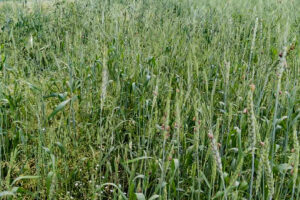
Rising temperatures, irregular rainfall, and water shortages have disrupted the traditional agricultural calendar in Nangarhar. Wheat is ripening earlier than usual, vegetables are being damaged before the harvest season, and some farmland has been left uncultivated due to water shortages. As a result, farmers are facing growing challenges, while experts emphasize the need for a climate-smart agricultural calendar aligned with the changing climatic conditions across the province.

Women’s use of medicinal herbs; family beliefs, easy access and health concerns

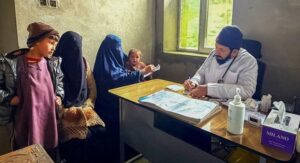
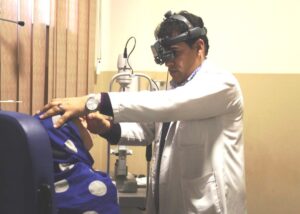
Findings from Salam Watandar’s interviews with 20 women across 11 provinces of Afghanistan show that they used medicinal herbs to treat various health problems. Of these women, 16 reported improvements after using medicinal herbs or were still using them for treatment without experiencing any side effects. However, four women reported experiencing side effects. Doctors warn that using medicinal herbs without consulting a doctor can cause side effects and worsen patients’ health conditions.

Plant pests and low-quality pesticides; a threat to agricultural production in Parwan

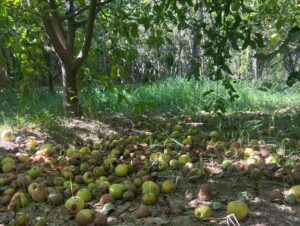
For years, farmers in Parwan Province, Afghanistan, have been facing an increasingly serious threat to their crops, with the problem worsening each growing season. Farmers say that, in recent years, plant pests and diseases have damaged large areas of their vegetable fields and fruit orchards, while also increasing production costs. Despite repeatedly applying chemical pesticides, they often fail to control the pests. Plants and trees continue to dry out, grow slowly, and produce lower yields.

UNAMA: Safety of journalists must be a priority

Rabab Fatima, the Special Representative of the UN Secretary-General in Afghanistan and Head of the United Nations Assistance Mission in Afghanistan (UNAMA), has said that the work of journalists is essential for fostering dialogue, peace, and good governance.