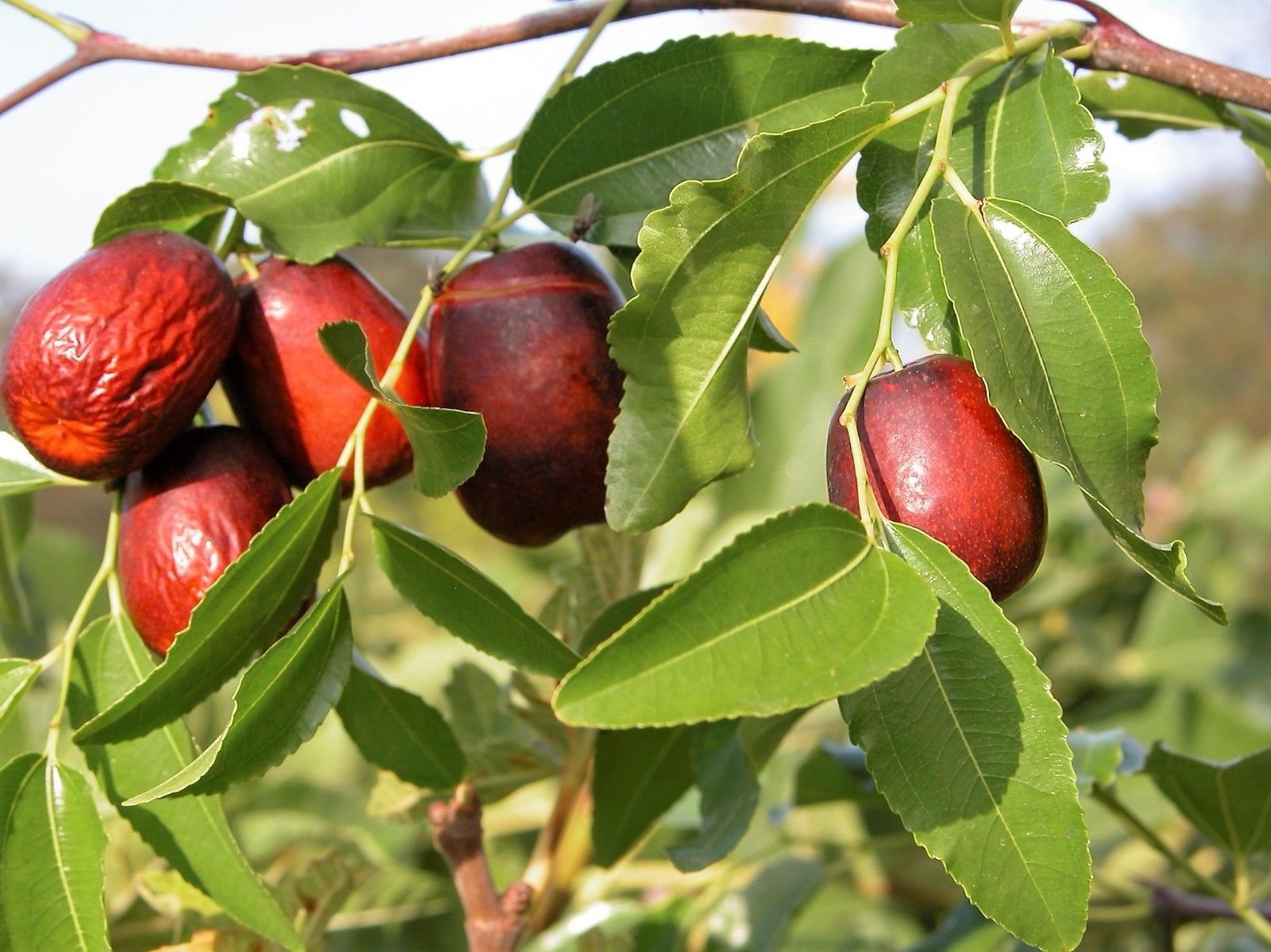
Laghman is one of the provinces that is located in the eastern part of the country, where the majority of residents earn their livelihoods through agriculture. Now, in the “Badi Abad” area of the provincial center, the planting of jujube saplings has begun on 90 jeribs of land—a project that is considered part of a broader artificial forest development program in the province. Despite the cultivation of a variety of agricultural products in Laghman, special focus has recently been placed on planting jujube. Most of these forests have been established in Qarghayi district and in the city of Mehtarlam, particularly in desert areas.
Sardar Ziar, the director of Laghman Agriculture Department Press Release, says, “Currently, 150 hectares of jujube forest have been established in Laghman. Efforts are ongoing to further expand artificial forests. At the beginning of this year, 18 hectares of jujube forest and 15 hectares of walnut forest were created. This type of sapling, due to its suitable flowering, provides opportunities for beekeepers.”
He also adds, “The project to establish 18 hectares of jujube forest is being implemented by the UNDP, with a budget of 11 million Afghanis. Besides creating job opportunities for local residents, this project will help reduce soil erosion and increase green areas.”
According to him, the project not only contributes to beautifying the environment, but can also help improve the region’s climatic conditions.
Meanwhile, local residents who are working on the project have expressed satisfaction with its implementation; however, they are calling for the expansion of similar programs in the fields of agriculture and forest conservation.
Mohammad Rabbani, one of the workers involved in the project, says, “Establishing these forests will reduce the intensity of floods, as floodwaters will be controlled before reaching the village. It will also make the area greener and reduce air pollution. If these saplings bear fruit, beekeeping programs will also be strengthened.”
Rahmeenullah, another worker involved in the project, also says, “We are happy to be working on this project. We receive 400 Afghanis per day in wages, and this work is beneficial for our families’ economy. In addition, our area will become greener.”
On the other hand, environmental experts consider the establishment of artificial jujube forests an effective measure for adapting to climate change.
Mustafa Hamid, an environmental expert, says in this regard, “Jujube forests play a role in reducing air warming and help improve climate management. These forests can help regulate rainfall and increase resilience against droughts and floods. Moreover, jujube trees provide a rich environment for honeybees, and their establishment within a well-structured ecosystem is fundamentally important for the sustainability of forests.”
According to experts, if these forests are properly managed and protected, they can not only increase honey production in Laghman and the neighboring province of Nangarhar, but also play an important role in reducing the impacts of climate change, strengthening vegetation cover, and enhancing the resilience of local communities against droughts and floods.
Reporter: Wasefullah Osmani