Findings from Salam Watandar’s conversations with 30 women across several provinces in Afghanistan show that restrictions on education and work have pushed many women to learn skills such as sewing and painting on their own at home. Despite facing severe limitations in resources and support, 18 of these women have been able to earn a steady, though modest, income from these self-taught skills. This income has improved not only their financial situation but also their mental health and self-confidence.
Among the women interviewed, eight women had studied up to the secondary level, 13 women had completed school, and nine women had reached the bachelor’s level before their education and work opportunities were halted.
Nazifa Fateh, a 21-year-old resident of Faryab, said, “After the girls’ schools were closed, I lost the chance to continue my education. I felt I should not spend my time aimlessly, so I decided to learn a profession to stay occupied and be useful to myself and my family. With the few basic tools I had at home, I began learning sewing on my own.”
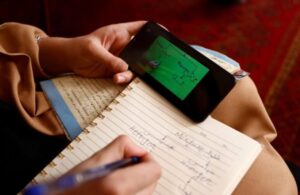
Similarly, Ayesha, a 20-year-old from Badghis, said, “At some point, I realized that studying alone was not enough. I needed to learn a profession as well. I became interested in sewing and painting because they are both beautiful crafts that, if you learn them, can be put to good use. I didn’t have many tools, but I started with whatever was available at home. Using my mobile phone, the internet, instructional videos, and occasionally observing others, it became like a school for me.”
The report highlights that none of the women had access to professional tools or equipment. Their learning was mainly carried out using household resources, mobile phones, and online instructional videos.
Laila, an 18-year-old from Kunar, said, “For the first time, I learned to sew simple clothes by watching videos, books, and online resources. With each design I made, my skills improved. I learned different techniques through the internet and a few instructional videos.”
Fawzia Ahmadi from Herat said, “To become skilled in painting and gain appreciation from others, I needed a lot of practice. By following social media pages, watching instructional videos, and learning from other painters, I improved my skills. Now I even have students whom I teach painting.”
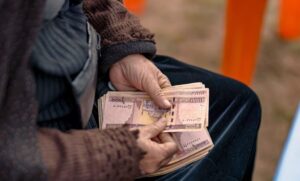
According to the report, self-taught skills such as sewing and painting have not only transformed these women’s lives but have also provided a source of steady income for some. Among the women interviewed, 18 women have been able to earn regularly.
Khalida Sahraei, a 22-year-old English Language and Literature student at Kabul University, said, “By taking orders from neighbors and relatives, I was able to earn a modest yet meaningful income. Even a small income is something to be grateful for, especially from a field like sewing.”
Mahsa, a 17-year-old from Badghis, said, “By painting and taking orders, I earned a small but meaningful income. It was very valuable and motivating for me. Painting has helped me think independently and believe that, even in difficult circumstances, I can find a way to progress through my own efforts.”
Women’s rights activists emphasize that the lack of support could gradually exclude women from society and limit their financial independence.
Homa Rajabi, a women’s rights activist, said, “Suppressing ideas in women’s minds has short-term consequences and negative long-term effects on Afghanistan’s economy. Women play a key role in this sector. Without support, their skills and income-generating abilities will be lost, leaving them without influence over their family’s finances.”
Some economic experts, however, see this trend as an opportunity.
Omidullah Qasemi said, “Women’s role in household economies is vital. Through small businesses, women can support their families financially and become successful entrepreneurs, which over time helps reduce unemployment.”
Officials at the Ministry of Industry and Commerce of the Islamic Emirate claim that women can obtain work licenses and expand their businesses without discrimination.
Akhundzada Abdulsalam Jawad, the ministry’s spokesperson, told Salam Watandar, “Across Afghanistan, women who are active in industry or production have legitimate employment and face no obstacles. Around 50,000 women entrepreneurs are already active, and unofficial statistics show more than 120,000 women working in various sectors. Those who want to expand their activities can obtain a license without any problem. There is no distinction between women and men in this regard.”
While women in Afghanistan have turned to small home-based businesses to earn income, a Global Entrepreneurship Monitor report released in November 2025 notes, “Worldwide, women continue to face structural barriers in entrepreneurship despite their growing role in business.”
Reporter: Momina Zarif