Living abroad is like walking on a winding road. Each turn promises new horizons, and each bend reminds students of the distance from their families. For many, studying abroad is more than a change of geography—it means adapting to a new language, culture, education system, and even understanding themselves.
Along the way, opportunities come hand in hand with challenges. From limited learning resources to the struggle of mastering a new language and fitting into a different cultural and social environment, these pressures can weigh heavily on students, affecting both their mental health and their studies.
Some students who have lived abroad for years told Salam Watandar that life away from home seems like a path to progress. In reality, however, it is a tough test of endurance and resilience.
For five months, Aman-Shah, who is 23years old, has begun his mornings in a small dorm room at the American University of Central Asia in Bishkek, the capital of Kyrgyzstan.
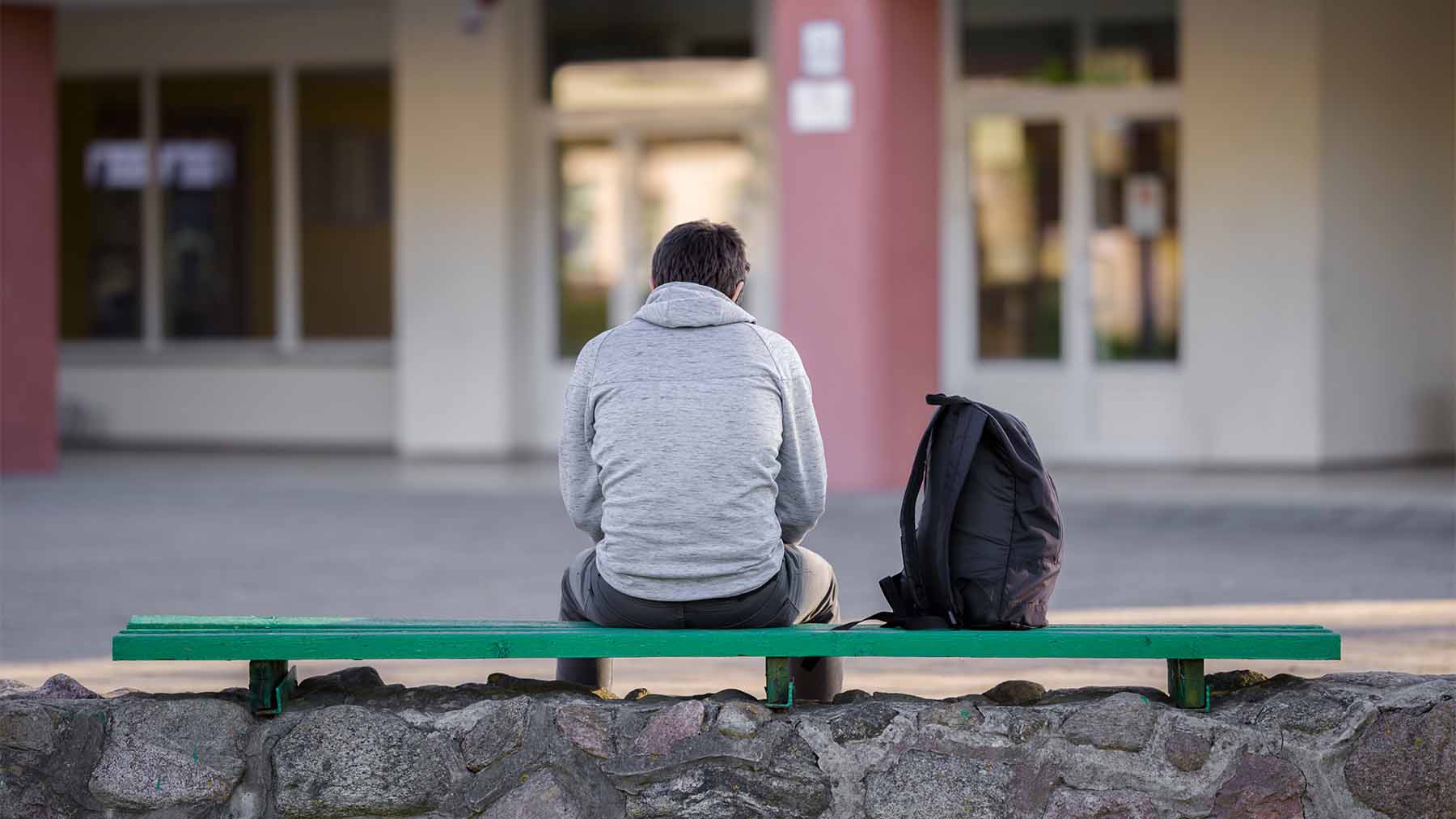
The silence of the walls does not reflect calm; it bears witness instead to long nights full of thoughts and repetitive days. Before the sun even shines through the narrow window, his eyes are open. He picks up his books and quietly slips out of the dorm. The morning chill of Bishkek brushes his face, but the real cold is something else entirely: the chill of homesickness, the distance from his family’s warm embrace, and the feeling of having no support.
“Although studying abroad was my dream, it was very hard when the plane took off,” he says. “Now I am far from my family. The longing—the distance from them—follows me everywhere.”
He is pursuing two fields of study simultaneously. He studies Computer Science online at the American University of Afghanistan with a full scholarship, while also studying Social Entrepreneurship in person at the American University of Central Asia, without a full scholarship.
He traveled to Kyrgyzstan in August 2025 to continue his education. His tuition and living expenses are now supported by his family, a cost that is very difficult for them to provide. Sometimes, he admits that he does not know how he will make it to the end of the month.
This worry is a reality shared by many Afghan students abroad who lack scholarships.
“There are many challenges, and I accept that,” he says. “But middle-class families have no other path to progress except investing in their children’s future.”
He also has advice for youths planning to study abroad:
“Be careful about the people you meet. Don’t trust anyone too quickly, even if they are from your own country. You never know what kind of person you might encounter, and they could distract you from your main goal—studying and building a better future.”
For Aman-Shah, the challenges of life in Bishkek go beyond finances. Struggling with the language, homesickness and feeling like a stranger create heavy psychological pressure. Sometimes, it even leads to depression. At night, when he returns to his room, his thoughts turn most sharply to the future.
“My family’s hope is tied to my future. But visa restrictions for attending conferences and major global events make the future uncertain for Afghan students. I feel that many of the dreams I had may not come true anytime soon, and that is a big concern. Still, I believe I must start with myself, work harder, and return to my country with my hands full.”
Alongside these difficulties, he highlights the importance of friendly university staff and the recreational and social programs organized for Afghan students. These initiatives help students adapt to the culture and academic environment.
“These programs strengthen the bonds between students and the local people,” he explains. Sometimes, students go together to the city’s recreational spots to enjoy life in Bishkek.
He says: “Whenever I talk to the local people here and they learn I am Afghan, they welcome me with open arms and say, ‘You are our Muslim brother.’ These gestures make some of the hardships of living abroad more bearable.”
Aman-Shah is not alone on this difficult path. Samir Musawer, who is 34years old, shares a similar experience with Salam Watandar, though from a slightly different perspective. A first-year master’s student in Law at the American University of Central Asia, Samir studies on a full scholarship funded by the United States.
He describes his current situation as one of necessity rather than choice. In this sensitive moment in Afghanistan’s history, he sees continuing education—despite all threats and challenges—as the only way to survive.
“For many Afghans, education is not just a right. It is a necessity. If we do not study, we have nothing to stay for, nothing to survive on. Education is a way to escape a fate that threatens us,” Samir says.
He adds that life for Afghan students abroad is closely tied to a sense of statelessness and instability, an experience that makes studying a heavy but unavoidable duty.
“For me, home is not just family or a place; home is Afghanistan. Being away from it is a deep wound that no success or achievement can fully heal,” he says.
In this context, an Afghan female student at the American University of Central Asia—who wished to remain anonymous—sees education as a path to independence. She came to Bishkek in October 2022 and explains:
“For me, education means growth and opportunity; it means becoming independent, gaining skills, and developing critical thinking.”
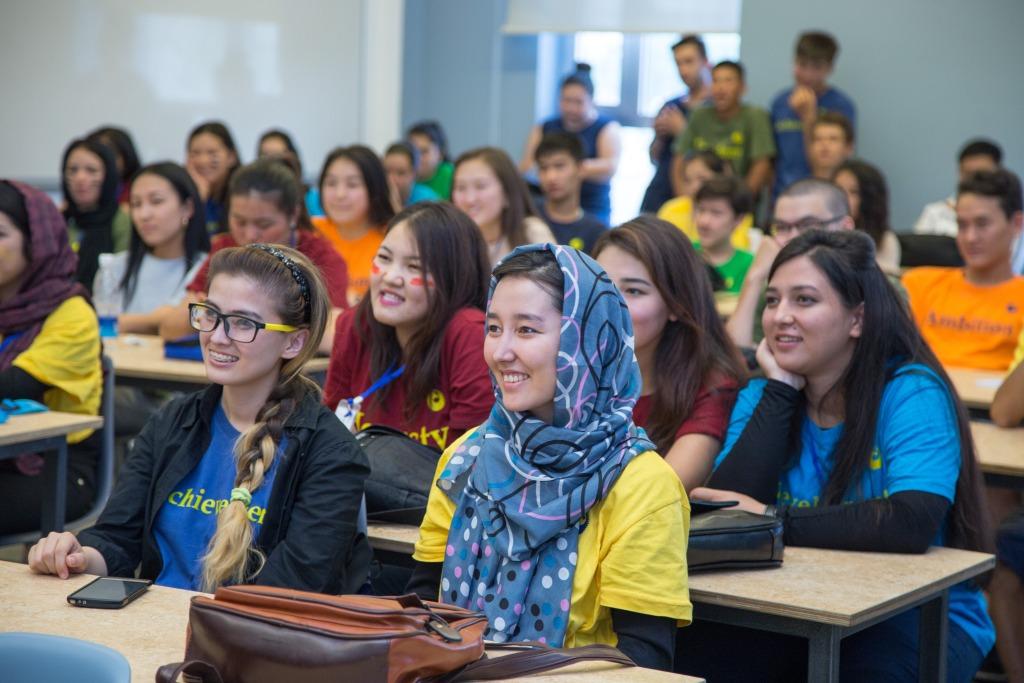
Although she has a scholarship, she describes adapting to Kyrgyz society and learning Russian as major challenges. Alongside all the difficulties she faces, homesickness is a wound that feels fresh every day. Distance is not just measured in kilometers; it is the absence from the small, simple moments that make life bearable.
Above all, it is the longing for family that grows heaviest in the silence of the night—for familiar voices, for a look that understands without explanation, for an embrace that temporarily stops time. “More than anything, I am homesick for my family,” she says.
After the political and social changes in Afghanistan in recent years, the path to education suddenly became narrow and uneven for thousands of young Afghans. The closure of university doors to girls, job insecurity, economic pressures, and an uncertain future forced many to seek education not in their own country, but in distant and unfamiliar lands.
Among these destinations, countries in Central Asia—including Kyrgyzstan—have become important choices. While these countries offer opportunities to continue education, they also bring displacement, instability, and new challenges.
Reporter: Hoda Saadat
Translated by: Friba Qaderi