Category: Investigative reports

Rising gold prices make marriage harder for youths

Findings by Salam Watandar from interviews with 15 couples on the verge of marriage in Afghanistan show that 11 couples have postponed their wedding ceremonies due to the unprecedented rise in gold prices. In some cases, this crisis has also led to separations and serious family tensions.

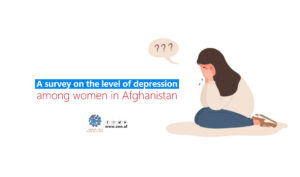
A survey on the level of depression among women in Afghanistan

For this reason, the Salam Afghanistan Media Organization (Radio Salam Watandar) conducted a field survey in 26 provinces of the country and examined the mental health status of 401 women, aiming to present a realistic and scientific picture of depression among women in Afghanistan. The findings of this survey show that nearly half of the surveyed women experience moderate depression, which can be considered a serious threat to women’s mental health in Afghanistan.

Teaching and motherhood; striving to balance two roles

The results of a Salam Watandar interview with 18 teachers who are also mothers, conducted across six provinces—Panjshir, Sar-e Pol, Daikundi, Baghlan, Kabul, and Samangan—show that 13 of them have been able to achieve a balance between teaching and motherhood through planning, division of responsibilities, and family support. However, the remaining five face serious challenges due to lack of family support and resources.

Rising stroke among youth; women most vulnerable

Findings by Salam Watandar, based on data from Sheikh Zayed Hospital and interviews with neurology specialists, show a significant increase in stroke cases among young people under the age of 38 in Afghanistan, particularly among women.

Assessment of the health services situation in urban and rural areas of Afghanistan

This research was conducted to assess access to health services situation in urban and rural areas of Afghanistan. The results, based on a survey of 1,136 citizens across 32 provinces, indicate significant differences between urban and rural areas in terms of access, quality of services, and availability of medicines. Findings suggest that rural residents face greater challenges in obtaining quality health services.

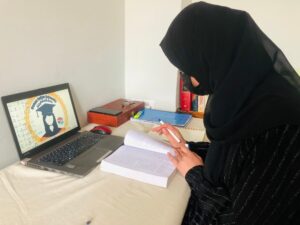
Beginning of the academic year; stories of girls awaiting education

Shayesta, a 38-year-old mother of four children, says she cannot afford online classes for her daughter who has been deprived of education, “As much as we could afford, we enrolled her in online courses—once in a home-based school and in a religious school —but now our economic situation is weak, and we can no longer afford even these online classes. For now, she reviews her lessons at home.”

From planting saplings to raising awareness; youth initiative to save the environment

Reza Jafari, a 35-year-old from Daikundi who has been working as a volunteer in greening activities for the past year, says, “The main reason we turned to volunteer work was that everywhere we look in our country, unfortunately, the hills have been stripped of forests, and plants have disappeared due to people’s excessive use and population growth. A lack of public awareness has led people to overexploit mountain forests.”

Survey on women’s purchasing power in Afghanistan; the impact of unemployment on women’s purchasing ability

This survey, conducted with the participation of 1,045 women from 29 provinces of Afghanistan, provides a comprehensive and detailed picture of women’s purchasing power, savings capacity, sources of income, and their economic limitations. The findings indicate that women’s purchasing power—especially among unemployed women—has declined over the past three years, and the economic crisis has had profound impacts on households.

‘I can’t even sleep’; Afghan youth in Pakistan live in fear of deportation

Young Afghan migrants in Pakistan say the current conditions have caused them serious psychological distress. Jamila, 26-year-old, who has lived with her family in Pakistan for three years, says: “I cannot even sleep because of the fear of deportation. Economic problems, unemployment—every kind of fear is inside me. We were warned to hide ourselves; otherwise nothing can be done for us. The situation for refugees is extremely difficult.”

‘My last vertebra was damaged’; stories of 15 women who faced physical violence

Asma, a 33-year-old resident of Kabul, says that although she covers most of the household expenses, she still faces physical violence—violence that has caused both psychological and physical harm. She says, “I cover about 90% of the household expenses and all the needs of my daughters. Yet I have been repeatedly beaten by my husband—slapped, punched, and kicked. The violence was so severe that my last vertebra was damaged, and now I cannot sit or stand properly. My husband beats me and asks why I do not put money in his pocket. This is extremely humiliating and painful because, even with financial independence, I still face violence.”