Nearly 10,000 people now have access to safe water in Nuristan
The Afghanistan office of the United Nations Children’s Fund (UNICEF) has announced that it has provided access to safe water for nearly 10,000 people in the country.

The Afghanistan office of the United Nations Children’s Fund (UNICEF) has announced that it has provided access to safe water for nearly 10,000 people in the country.

A number of women in Samangan say that economic hardship, the long distance to healthcare centers, inadequate facilities, and limited access to healthcare services have left many women with no option but to give birth at home.
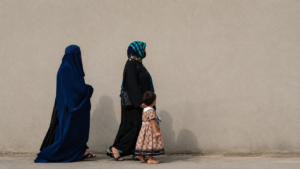
Although Islamic Sharia permits polygamy and second marriage under specific conditions, a number of women in Kunduz say they have repeatedly faced pressure from their husbands’ families to persuade their husbands to take a second wife.
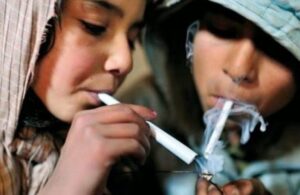
Findings from Salam Watandar’s interviews with 41 children and adolescents under the age of 18 (aged 13–17) who are addicted to drugs show that these children were introduced to drugs and became addicted through their friends and acquaintances.
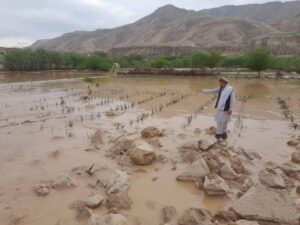
Baghlan, one of Afghanistan’s leading agricultural provinces, is known for its fertile farmland and the heavy reliance of much of its population on agriculture and livestock farming. In recent years, however, climate change, irregular seasonal rainfall, and flash floods have caused severe and often irreparable losses for thousands of farmers across the province.

The United Nations Office for the Coordination of Humanitarian Affairs (OCHA) in Afghanistan has reported that 3.4 million people across the country were affected by drought.
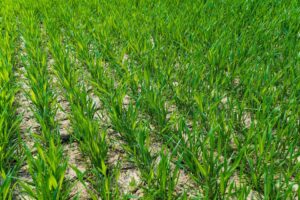
The importance of improved seeds and row planting for farmers in Uruzgan is not limited to higher production; it also helps them cope with climate change. In recent years, drought, declining rainfall, and water shortages have directly affected wheat yields, leaving many farmers facing economic hardship.

A number of farmers in Nangarhar have been cultivating strawberries for several years. They say they have chosen to grow strawberries because the crop produces higher yields and generates greater profits than many other crops.

My name is Siyaam Akbari. I am a first-year Computer Science student at a private university. Alongside my university studies, I am also studying the German language at an educational center. From an early age, I have had a strong interest in technology and modern tools, and I have always tried to use digital resources for my learning and academic progress.

Findings from Salam Watandar’s interviews with 22 youth across six provinces of Afghanistan show that 20 of them identified harmful comparisons made by family members as the most important cause of low self-esteem. The remaining two participants attributed their low self-esteem to fear of social judgment and the influence of social media.
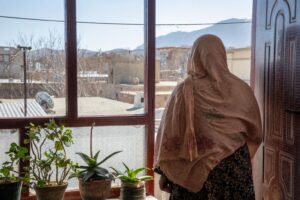
The findings of Salam Watandar’s interviews with 60 married women in Kabul and several provinces indicate that marriage has brought a range of personal, social, economic, and psychological changes to their lives.
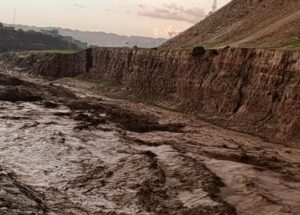
Recent floods and heavy rainfall in Badghis Province have caused extensive damage to farmland, orchards, and people’s property. A number of farmers say these events have not only destroyed the results of a year’s hard work but have also left the livelihoods and primary sources of income of many families in crisis.