KABUL (SW) – Afghanistan reels from the devastating impacts of the Covid-19 as the country braces for the fourth wave of the pandemic.
Marhaba Mohammadi, one of the merchants in Kabul, said that with the pandemic, the production and sales market faced a problem and the demand in the financial markets decreased significantly, and so far, it has not been able to compensate for the losses.
“The coronavirus undoubtedly left its negative effects in Afghanistan like in other countries of the world. Especially in business, which is not excluded from this situation and has affected 80% of businesses. We have lost all our customers”.
While the closure of ports, the restriction of economic activities, the quarantine in large and important commercial cities around the world caused the private sectors to suffer and negatively affect the domestic revenues of countries, some experts believe that Afghanistan’s economic dependence on aid during the pandemic, the country’s economy did not face a serious challenge.
Although small businesses have suffered but overall, it has not had many effects.
Mohammad Shabir Bashiri, an expert on economic issues, said Afghanistan does not have a central economy, which could have been hit by the spread of the virus. “We had an economy dependent on aid from the international community and the United States of America”.
Considering the hunger, poverty and unemployment that exists inside Afghanistan, he said Afghanistan does not have the ability to quarantine people. “If we cannot quarantine, the virus will spread throughout the country and cause massacres. . Another argument is that all small and medium-sized private enterprises will be destroyed, and by losing these enterprises, we will be the only country in the world that is 100% below the poverty line”.
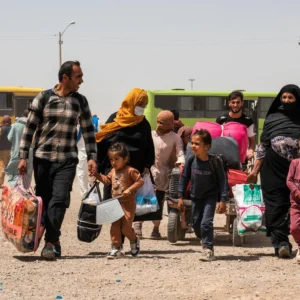
Based on the statistics, most of the citizens of Afghanistan are poor and if they are not working, they are not able to meet their daily needs and expenses.
In the situation before the pandemic, 24% of the workforce was practically unemployed and 54% of the population lived below the poverty line. With the spread of this virus, the unemployment rate increased significantly. Most families earn at least half of their income from activities such as shop-keeping, hawking, and daily wage labor in the construction, agriculture, and mercenary sectors.
Seyyed Masoom Sadat, a businessman in Kabul, said that during the time of the pandemic, traders saw economic and financial losses.
“We lost 400,000 afghanis in two periods of the pandemic just from the store account and rent. So far, we have not stood on our own feet and we do not have the ability to do any kind of activity and our economy is zero. People can’t afford to quarantine anymore.”
ENDS