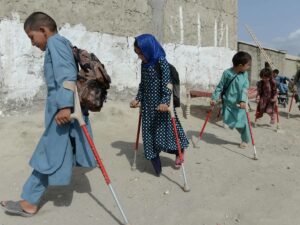
ICRC: Children are paying the high price of unexploded ordnance
The Delegation of the International Committee of the Red Cross (ICRC) covering Afghanistan says children in the country are still paying a high price for unexploded ordnance.

The Delegation of the International Committee of the Red Cross (ICRC) covering Afghanistan says children in the country are still paying a high price for unexploded ordnance.

Some women in Sar-e Pol say that a lack of awareness about the importance of birth spacing, along with family pressure, beliefs, and traditions, has led them to have repeated pregnancies. They add that this has caused serious health problems and, in some cases, miscarriage.
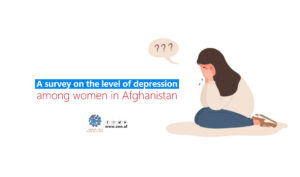
For this reason, the Salam Afghanistan Media Organization (Radio Salam Watandar) conducted a field survey in 26 provinces of the country and examined the mental health status of 401 women, aiming to present a realistic and scientific picture of depression among women in Afghanistan. The findings of this survey show that nearly half of the surveyed women experience moderate depression, which can be considered a serious threat to women’s mental health in Afghanistan.
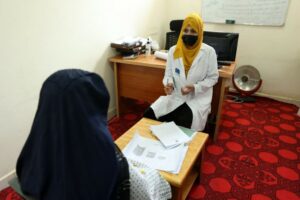
A number of obstetricians and gynecologists at Malalai Hospital say that premarital counseling is important for both girls and boys, and that examinations such as blood group and Rh factor, hormonal tests, spermograms, evaluations of male and female reproductive health, and uterine health checks are essential before marriage.
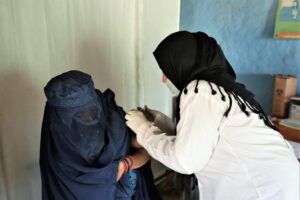
Doctors believe that although Tetanus vaccination is vital for preventing life-threatening diseases in mothers and newborns, some women in Jawzjan province have not received the vaccine due to a lack of awareness, economic difficulties, and limited access to health services.

Findings by Salam Watandar, based on data from Sheikh Zayed Hospital and interviews with neurology specialists, show a significant increase in stroke cases among young people under the age of 38 in Afghanistan, particularly among women.
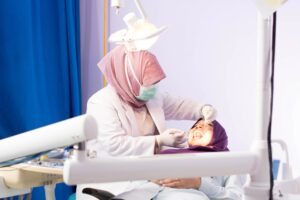
During pregnancy, paying attention to the mother’s health is a top priority. However, among all these care measures, oral and dental health is still considered a less important issue by many women. According to doctors, dental problems can go beyond simple pain and may pose serious risks to the health of the fetus.
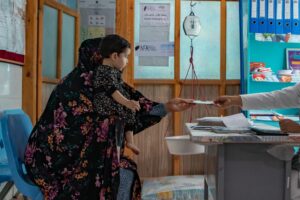
The Afghanistan office of the United Nations Children’s Fund (UNICEF) has announced that 610,000 children suffering from severe acute malnutrition in the country have been treated.
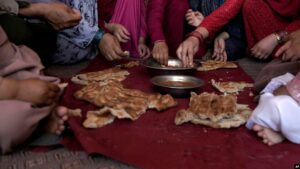
Health experts consider the ages of 11 to 14 to be the most critical stage of physical development. However, in Afghanistan, most girls at this age lack access to balanced and high-quality nutrition. Girls face not only economic hardships but also challenges caused by limited awareness, harmful traditional beliefs, and family neglect.
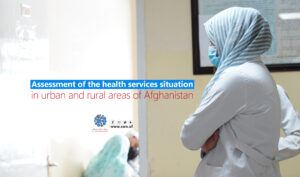
This research was conducted to assess access to health services situation in urban and rural areas of Afghanistan. The results, based on a survey of 1,136 citizens across 32 provinces, indicate significant differences between urban and rural areas in terms of access, quality of services, and availability of medicines. Findings suggest that rural residents face greater challenges in obtaining quality health services.
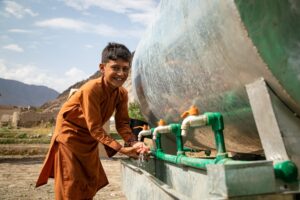
The Afghanistan office of the United Nations Children’s Fund (UNICEF) has stated that one in every three people in Afghanistan cannot access to safe drinking water.
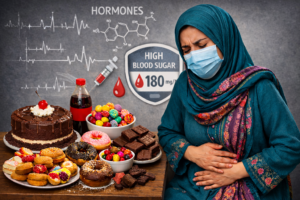
A number of doctors in Kunduz say that excessive consumption of sweets among women is causing various illnesses. These doctors emphasize that overconsumption of sugary foods disrupts hormonal balance in women and may increase male hormone levels.