Category: Soceity

Teaching and motherhood; striving to balance two roles

The results of a Salam Watandar interview with 18 teachers who are also mothers, conducted across six provinces—Panjshir, Sar-e Pol, Daikundi, Baghlan, Kabul, and Samangan—show that 13 of them have been able to achieve a balance between teaching and motherhood through planning, division of responsibilities, and family support. However, the remaining five face serious challenges due to lack of family support and resources.
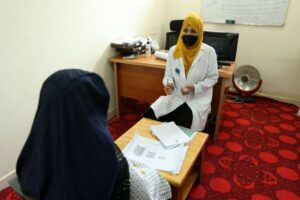
Ignoring premarital tests; health and social consequences for women

A number of obstetricians and gynecologists at Malalai Hospital say that premarital counseling is important for both girls and boys, and that examinations such as blood group and Rh factor, hormonal tests, spermograms, evaluations of male and female reproductive health, and uterine health checks are essential before marriage.

From passion to opportunity; the growth of flower cultivation among youths

With the arrival of spring, the flower and plant market has taken on a fresh look, and youth working in this sector report increased sales during this season. Many of them turned to this profession because of their personal interest and the lack of job opportunities. By cultivating different kinds of ornamental plants, they not only beautify the environment but also create a source of income for themselves.

Rising stroke among youth; women most vulnerable

Findings by Salam Watandar, based on data from Sheikh Zayed Hospital and interviews with neurology specialists, show a significant increase in stroke cases among young people under the age of 38 in Afghanistan, particularly among women.

‘They told us to wait, but there is no aid’; widows’ right to access emergency assistance

While Islamic Sharia and international documents emphasize the right of widows and women without guardians to access emergency financial assistance, evidence from Kunduz shows that many of these women are, in practice, deprived of this right. In the Holy Quran (Surah At-Tawbah, verse 60), the poor and needy are identified as rightful recipients of zakat, and in the Hadiths, caring for widows is described as equivalent to performing major social deeds.

Devastating floods and climate change; raise concerns among residents of Ghazni

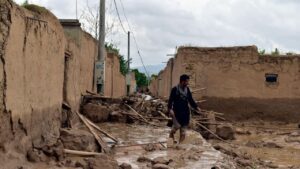
In recent years, Ghazni has increasingly been affected by climate change, with a rise in flooding causing significant damage to many families in the provincial center and its districts. Areas including Ghaib Qalandar, Hakim Sanayi Township, Khair Abad, Deh Khudaydad, Pirzada, Qala Amir Mohammad Khan, and Tawhid Abad in the provincial center, as well as parts of several districts, have repeatedly witnessed devastating floods.

Assessment of the health services situation in urban and rural areas of Afghanistan

This research was conducted to assess access to health services situation in urban and rural areas of Afghanistan. The results, based on a survey of 1,136 citizens across 32 provinces, indicate significant differences between urban and rural areas in terms of access, quality of services, and availability of medicines. Findings suggest that rural residents face greater challenges in obtaining quality health services.

Beginning of the academic year; stories of girls awaiting education

Shayesta, a 38-year-old mother of four children, says she cannot afford online classes for her daughter who has been deprived of education, “As much as we could afford, we enrolled her in online courses—once in a home-based school and in a religious school —but now our economic situation is weak, and we can no longer afford even these online classes. For now, she reviews her lessons at home.”

From planting saplings to raising awareness; youth initiative to save the environment

Reza Jafari, a 35-year-old from Daikundi who has been working as a volunteer in greening activities for the past year, says, “The main reason we turned to volunteer work was that everywhere we look in our country, unfortunately, the hills have been stripped of forests, and plants have disappeared due to people’s excessive use and population growth. A lack of public awareness has led people to overexploit mountain forests.”