Mass returns, climate changes, and aid cuts push Afghanistan further into crisis
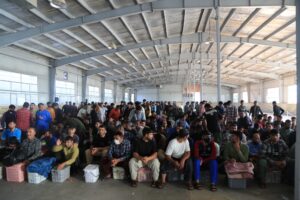
United Nations Development Programme (UNDP) has report that mass returns, climate changes, and aid cuts push Afghanistan further into crisis.

United Nations Development Programme (UNDP) has report that mass returns, climate changes, and aid cuts push Afghanistan further into crisis.

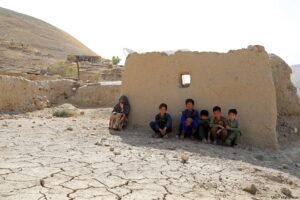
The United Nations says that climate change, economic hardship, and job losses, compounded by rising regional tensions, have driven up prices in Afghanistan and affected food security across the country.

The United Nations Human Settlements Programme (UN-Habitat) in Afghanistan has announced that the World Urban Forum will be held in Baku, the capital of Azerbaijan, to address global housing challenges.

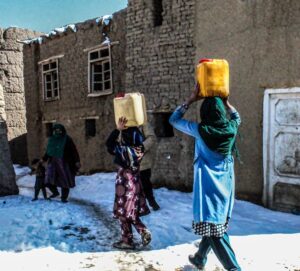
The United Nations Human Settlements Programme (UN-Habitat) in Afghanistan says that many people in the country do not have access to safe water and sanitation.

The survey on Artificial Intelligence and Afghan youth was conducted with 1,154 respondents across 32 provinces of Afghanistan. The findings indicate that artificial intelligence has become more deeply embedded in the daily lives of Afghan youth than expected.

Today, artificial intelligence (AI) is no longer merely a scientific concept; it has become part of the daily lives of youth. From education and work to personal advice, this technology is gradually finding its place among Afghan youth as well. A survey by Salam Watandar, based on 1,154 young respondents (50.6% men and 49.4% women) across 32 provinces of Afghanistan, shows that 84.1% of youth have used artificial intelligence at least once in areas such as work, education, and personal life, while 92% of respondents are familiar with AI.

The United Nations Population Fund in Afghanistan (UNFPA), on the occasion of the International Day of the Midwife, has announced that in order to save the lives of mothers and newborns, one million more midwives need to be trained.

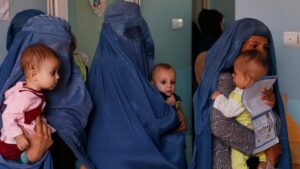
The United Nations Office for the Coordination of Humanitarian Affairs (OCHA) in Afghanistan has stated that women and girls returning to the country are among the most vulnerable.

The United Nations in Afghanistan (UN Afghanistan) says it has supported 18,616 women entrepreneurs across the country.

According to OCHA, humanitarian needs in Afghanistan are expected to remain high this year, and it emphasizes that timely, flexible funding is critical to sustaining life-saving aid.

Findings from Salam Watandar’s interviews with 20 women in Afghanistan show that AI is mostly used by women in areas such as education—especially language learning—editing writing, content creation, accessing health information, and generating business ideas. However, alongside these opportunities, deep concerns about privacy, data security, and the accuracy of responses have made their experience with AI complex and ambivalent.

The government of Japan, in partnership with the United Nations Development Programme (UNDP), has announced a new joint initiative titled “Resilient Income Solutions Empowering Alternative Livelihoods” (RISE) aimed at supporting vulnerable communities in Afghanistan.