MONITORING (SW) – The UN Secretary-General’s Special Representative for Afghanistan, Deborah Lyons has said the lives of millions of Afghans will depend on how the Taliban will choose to govern.
Addressing the UN Security Council, she said the world is faced with a de facto administration announced by the Taliban.
Those who hoped for, and urged for, inclusivity will be disappointed. There are no women in the names listed. There are no non-Taliban members, no figures from the past government, nor leaders of minority groups. Instead, it contains many of the same figures who were part of the Taliban leadership from 1996 to 2001, she said.
The UNAMA chied said that of the 33 names presented by the Taliban many are on the United Nations sanctions list, including the prime minister, the two deputy prime ministers, and the foreign minister. “All of you will need to decide which steps to take regarding the sanctions list, and the impact on future engagement”, she told the UNSC.
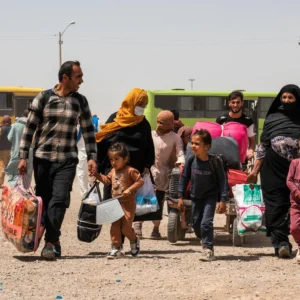
Deborah further said the UN must focus on the pre-existing humanitarian crisis, mostly in rural areas, that is indeed worsening as we speak. “Addressing this crisis cannot wait for political decisions regarding the removal of sanctions. Millions of ordinary Afghans are in desperate need of help. This means that needed humanitarian aid must be provided through the United Nations or NGOs. There are in addition countries that have their own sanctions that apply to certain members or groups that are now part of the de facto authority”, she said.
The UNAMA chief said relevant mechanisms must be found quickly to allow for the United Nations organizations and NGOs to provide the necessary humanitarian relief. “In the meantime, we look forward to the high-level conference in Geneva on September 13, which the Secretary-General will convene, that seeks pledges to meet the requirements of the humanitarian appeal on which Afghan lives now depend”, she added.
In her remarks, she said there is an immediate and pressing need to deliver, on a huge scale, essential humanitarian aid in areas such as health, food security, non-food items, and sanitation.
ENDS