Category: Women

Lack of awareness; women left without Tetanus vaccine in Jawzjan

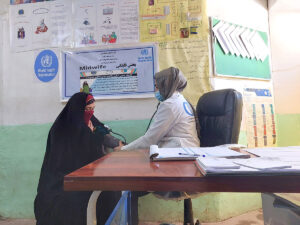
Doctors believe that although Tetanus vaccination is vital for preventing life-threatening diseases in mothers and newborns, some women in Jawzjan province have not received the vaccine due to a lack of awareness, economic difficulties, and limited access to health services.

Rising stroke among youth; women most vulnerable

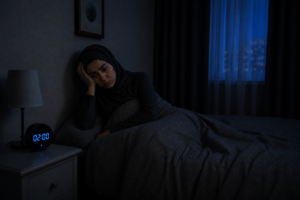
Findings by Salam Watandar, based on data from Sheikh Zayed Hospital and interviews with neurology specialists, show a significant increase in stroke cases among young people under the age of 38 in Afghanistan, particularly among women.

Neglecting dental health during pregnancy can threaten fetal health

During pregnancy, paying attention to the mother’s health is a top priority. However, among all these care measures, oral and dental health is still considered a less important issue by many women. According to doctors, dental problems can go beyond simple pain and may pose serious risks to the health of the fetus.

‘They told us to wait, but there is no aid’; widows’ right to access emergency assistance

While Islamic Sharia and international documents emphasize the right of widows and women without guardians to access emergency financial assistance, evidence from Kunduz shows that many of these women are, in practice, deprived of this right. In the Holy Quran (Surah At-Tawbah, verse 60), the poor and needy are identified as rightful recipients of zakat, and in the Hadiths, caring for widows is described as equivalent to performing major social deeds.

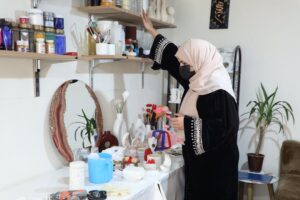
‘Modelin brand’ workshop; a place where women learn and earn

A woman in Kabul has established a tailoring and handicrafts workshop, creating opportunities for other women to learn a profession and gain employment. At a time when unemployment is a serious challenge for women, her determination and creativity have opened new pathways for others to work and earn a living.

Beginning of the academic year; stories of girls awaiting education

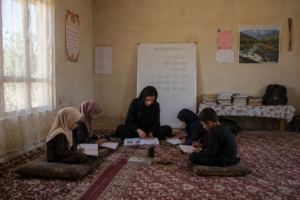
Shayesta, a 38-year-old mother of four children, says she cannot afford online classes for her daughter who has been deprived of education, “As much as we could afford, we enrolled her in online courses—once in a home-based school and in a religious school —but now our economic situation is weak, and we can no longer afford even these online classes. For now, she reviews her lessons at home.”

Survey on women’s purchasing power in Afghanistan; the impact of unemployment on women’s purchasing ability

This survey, conducted with the participation of 1,045 women from 29 provinces of Afghanistan, provides a comprehensive and detailed picture of women’s purchasing power, savings capacity, sources of income, and their economic limitations. The findings indicate that women’s purchasing power—especially among unemployed women—has declined over the past three years, and the economic crisis has had profound impacts on households.

“They took my children”; depriving widowed mothers of custody

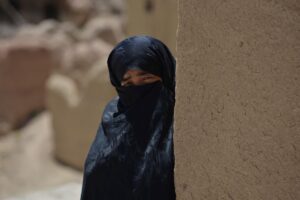
Similarly, Zarifa, 22-year-old from Daikundi, says that her children were taken by her husband’s family after his death. She says, “After my husband died, they took my children. They said the children should grow up in their father’s house, and argued that I am young and might remarry, so it’s better for the children to stay with them. They took my children, and I could do nothing because I am a single woman.

Small cages, big hopes; a woman’s quail business in Farah

A woman in Farah province has launched a small quail-farming business in an effort to reduce her economic dependence and play an active role in supporting her family’s expenses. Najiba Naji says she started raising quails with a small investment in a limited space inside her home. 

Women keep Eid traditions alive by making local sweets

For many women in Afghanistan, Eid is not just a celebration; it is an opportunity for families to gather, strengthen their bonds, and keep alive traditions that have been rooted in the country’s culture for generations. During this time, homes are filled with the colors and atmosphere of Eid, as women enthusiastically prepare Eid sofras—Sofras that symbolize hospitality, love, and the preservation of long-standing traditions.