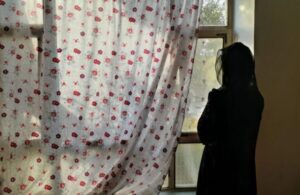
A number of women in Afghanistan have no role in making their children’s fate
She added, “They did not allow my daughter to attend school. Even though my children are now grown, I have never had any real authority in their lives.”

She added, “They did not allow my daughter to attend school. Even though my children are now grown, I have never had any real authority in their lives.”
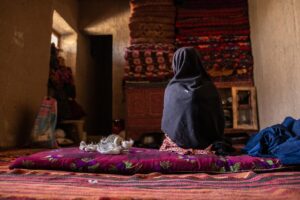
“He neither covers our expenses nor pays alimony. I live alone with my four children and have to borrow money just to buy food. When I turn to my brothers and ask what I should do, they tell me, ‘You are no longer our responsibility.’ But what can I do? I am a woman on my own,” she says.

With each passing day, my familiarity with this technology has grown. I now use it in various programs. Gradually, I have discovered more of the conveniences and practical benefits that artificial intelligence provides to its users.
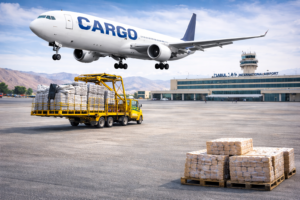
Shahidullah Amin, 26-year-old and from Kunar, who has worked in goods transportation for three years, says, “The biggest challenges include customs delays, high costs, documentation issues, and sometimes a shortage of transportation vehicles. Yes, tax changes and incorrect paperwork slowdown our work.” He notes that in some cases, losses have occurred due to bad weather or transportation problems.
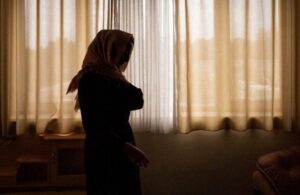
Although scholars of ‘Fiqh’ and Sharia say that, according to Hanafi jurisprudence, a sane and mature woman has full legal capacity and may work outside
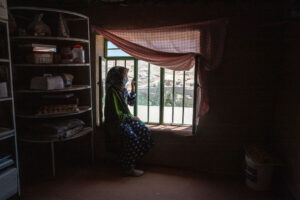
She says, “I truly lost hope at first and fell into depression. Despite all these challenges and restrictions, I did not want to give up on my goal. I want to become a doctor, and I am confident that one day I will achieve my dream.”
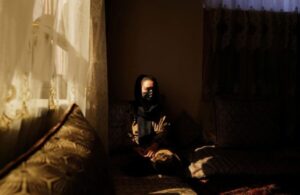
Farzana, 30 years-old also resident of Kunduz, said, “Loneliness and avoiding society have caused me anxiety and depression, and now I take antidepressants.”
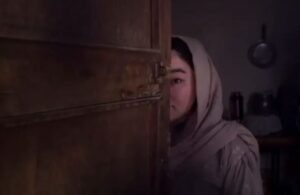
Fatima, a resident of Badakhshan, told Salam Watandar: “I personally prefer things to be in my own name, but my family says that in some situations it is better to use a surname or the name of a male family member so that people talk less. People think that mentioning a woman’s name in public leads to suspicion or gossip, so that’s why they avoid it.”
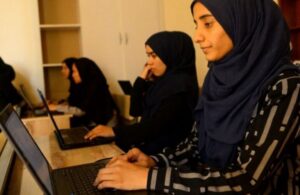
She considers only about 40% of her job is secure. She explained, “I don’t have a permanent contract, and even small changes in the organization’s budget or management can risk my job. I support my household and three children, so I often work beyond my capacity. It makes me very tired and sometimes discouraged.”
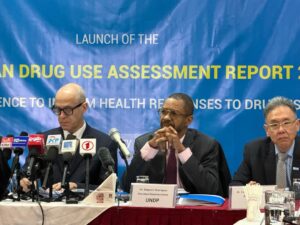
UNODC’s report recently shows that drug use in Afghanistan is still mainly influenced by traditional substances; however, the consumption of synthetic drugs and the misuse of medical medicines are on the rise.
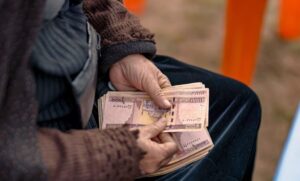
Despite these rights, many women still struggle in practice. Fatima Ahmadi, a 29 years old teacher, says, “My husband decides how my income is spent. Sometimes I can give my opinion, but he always makes the final decision. He has forced me to hand over my full salary even when I needed it myself.”
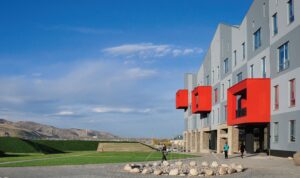
“For many Afghans, education is not just a right. It is a necessity. If we do not study, we have nothing to stay for, nothing to survive on. Education is a way to escape a fate that threatens us,” Samir says.