Category: News Report

Afghan youth and social withdrawal

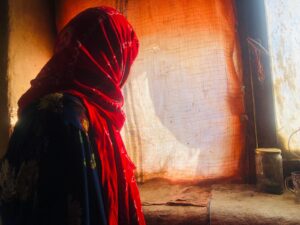
Farzana, 30 years-old also resident of Kunduz, said, “Loneliness and avoiding society have caused me anxiety and depression, and now I take antidepressants.”

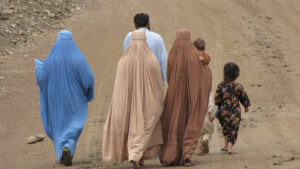
Why women hide their names in Afghanistan?

Fatima, a resident of Badakhshan, told Salam Watandar: “I personally prefer things to be in my own name, but my family says that in some situations it is better to use a surname or the name of a male family member so that people talk less. People think that mentioning a woman’s name in public leads to suspicion or gossip, so that’s why they avoid it.”

Falling groundwater levels affect farmers in Kunduz

“If it doesn’t rain and there is no water—just like last year when the rice crops failed—people in Kunduz didn’t get proper yields. When harvests fail, prices go up. Without water and rainfall, farmers face a tough situation.” He said.

Some Afghan women quit jobs over ‘workplace discrimination’

Zahra, 24-years-old and resident of Kabul, says: “The same things happened almost every week. I went to work feeling discouraged, my focus was low, and I felt invisible. I was constantly judged, and my motivation to grow decreased. It eventually made me quit.”

Women in Parwan build family incomes through farming

Fatima, one of these women, grows vegetables both for her family and for the local market. She said, “I have a home garden where I grow tomatoes, potatoes, peppers, coriander, and mint. I sell them in the market and support a family of eight with this income.”

NGO employees in Afghanistan face job insecurity

She considers only about 40% of her job is secure. She explained, “I don’t have a permanent contract, and even small changes in the organization’s budget or management can risk my job. I support my household and three children, so I often work beyond my capacity. It makes me very tired and sometimes discouraged.”

Rising synthetic drug use in Afghanistan – UN

UNODC’s report recently shows that drug use in Afghanistan is still mainly influenced by traditional substances; however, the consumption of synthetic drugs and the misuse of medical medicines are on the rise.

Afghan women still unaware of cervical cancer

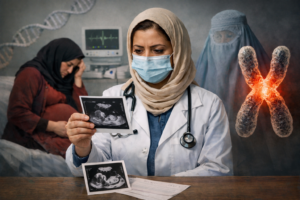
She said: “I don’t understand anything about cervical cancer. If I have pain or infection in my genital area, I feel ashamed and usually don’t tell anyone. In our province, there aren’t many female specialist doctors, and even at the health center, examinations are basic.”

Breaking barriers: Afghan women earn through self-taught skills

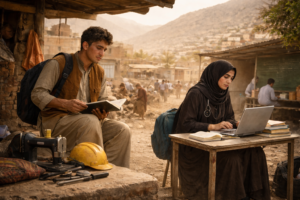
Nazifa Fateh, a 21-year-old resident of Faryab, said, “After the girls’ schools were closed, I lost the chance to continue my education. I felt I should not spend my time aimlessly, so I decided to learn a profession to stay occupied and be useful to myself and my family. With the few basic tools I had at home, I began learning sewing on my own.”

Cold weather and poor facilities hit winter vegetable farming in Parwan

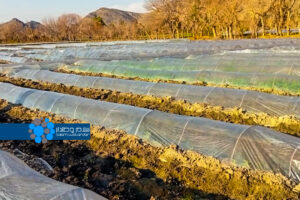
A number of farmers and greenhouse vegetable growers in Bagram district of Parwan, say that winter vegetable production is mostly small-scale and traditional. They explain that the lack of protective facilities has caused them significant losses. Most of their fields are open to the elements, and they face severe cold, repeated frost, and no heating systems, which reduce both the quantity and quality of their crops.

Many women workers earn but lack financial power

Despite these rights, many women still struggle in practice. Fatima Ahmadi, a 29 years old teacher, says, “My husband decides how my income is spent. Sometimes I can give my opinion, but he always makes the final decision. He has forced me to hand over my full salary even when I needed it myself.”