Category: Investigative reports

Salam Watandar’s survey on Kabul residents’ access to drinking water

This survey, conducted with the direct participation of 1,800 families and indirectly covering nearly 15,000 residents across 20 districts of Kabul, reflects the state of groundwater and people’s access to water in the city. The findings paint a worrying picture of the water crisis facing the Afghan capital.

Rising deforestation threatens Badakhshan’s nature

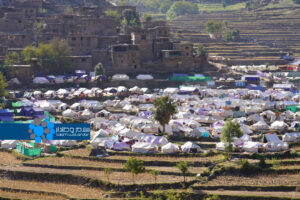
Sabor Noori, a resident of Badakhshan, says that deforestation has surged in recent months, causing severe floods, soil erosion, and spreading desert-like conditions in parts of the province. He added, “Areas that used to be green and full of forests—which also helped keep floods in check, or as we Badakhshanis call it, reduced the ‘rocky water’—have sadly been destroyed. Beautiful plains and meadows are now turned into rocky, unusable land, and this makes floods even more damaging for the people.”

Why Afghan youths migrate to Iran despite of violence and crisis?

Afghan youths are leaving their country in search of economic opportunities despite serious risks abroad. Iran remains a primary destination, even amid political unrest and security threats. Salam Watandar’s findings indicates that Afghan young people are migrating to Iran despite the country is facing waves of internal instability and the threat of an external conflict.

Survey: 81% of Afghan youngsters disapprove polygamy

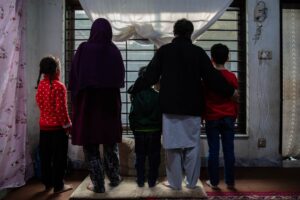
KABUL (SW) – In a bid to understand young people’s attitudes toward polygamy, Salam Watandar conducted a survey across 28 provinces of Afghanistan to determine which factors influence their acceptance or rejection of the practice.

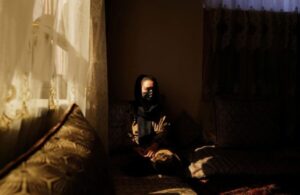
Exclusive: 84% of women subjected to domestic violence by women

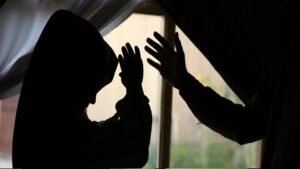
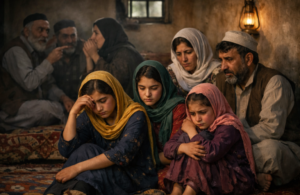
Salam Watandar’s survey findings, based on responses from 412 girls and women across 26 provinces in Afghanistan, reveal that 84% of participants reported experiencing violence from the same gender (female). In contrast, 16% stated that they had never been subjected to violence by womn.

Exclusive: Salam Watandar gauges the level of violence faced by women

Violence against women is a term in which men are generally known as the perpetrators, and based on the definition of this phenomenon by the United Nations, any gender-based action that threatens the safety and health of women physically, sexually, and psychologically, is violence. However, as it seems, violence against women is not only caused by men, and this phenomenon includes wider dimensions such as the imposition of force and violence by women against women.