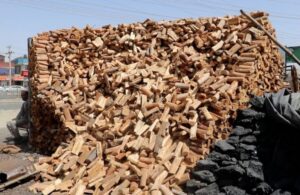
Ghazni residents chopping fruit trees to keep warm
As the residents of Ghazni experience the coldest days of the year, the shortage of firewood in the market and its high prices have forced many locals to cut down fruit trees to heat their homes.

As the residents of Ghazni experience the coldest days of the year, the shortage of firewood in the market and its high prices have forced many locals to cut down fruit trees to heat their homes.

KABUL (SW) – Travellers on the Salang Highway have expressed concerns about the lack of basic services along this key route urging the de-facto government’s
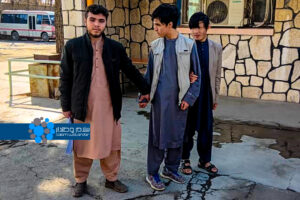
People with disabilities have expressed concerns about discriminatory behavior in society and their lack of access to education and job opportunities while calling on the Islamic Emirate’s de-facto government to provide basic life services for them.
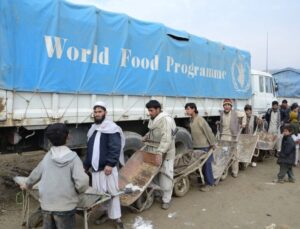
The United Nations World Food Programme (WFP) has provided assistance to 10.5 million people in Afghanistan in the year 2024.

Flash floods have caused massive destruction on a large scale in Kunduz province, locals and officials told Salam Watandar.
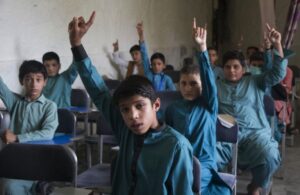
This report aims to shed light on the differences in access to educational services between rural and urban areas, based on interviews with 20 teenagers from cities and 27 teenagers from rural areas.

Residents of Laghman province, speaking to Salam Watandar, express their concerns as winter approaches, with many of their homes still in ruins from floods, leaving them in desperate need of assistance.
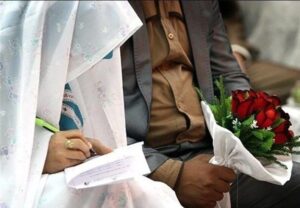
Salam Watandar recently conducted a conversation with 55 young individuals to explore the role of mediation in marriage formation, which underscores the significant impact of intermediaries in the marriage process in Afghanistan.
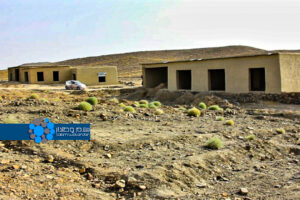
The residents of Shamalzai district, Zabul, who are building new shops in the district’s market, hope that once the market is reconstructed, it will alleviate some of their economic problems.
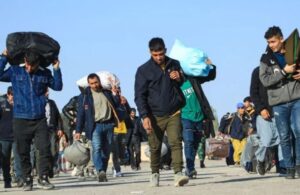
Several Afghan returnees from Iran and Pakistan have highlighted major challenges, including the lack of shelter, access to basic services, and employment.
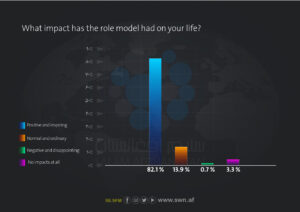
Salam Watandar has conducted a survey across 26 provinces of Afghanistan to explore the significance of role models in the lives of young people, which showed that most youths have chosen role models to guide their personal and social development.
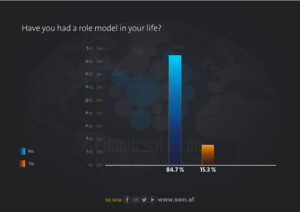
Role models are individuals whose actions and methods light the way for others and through positive and inspiring traits can help individuals in achieving their goals and improving the quality of their lives.