Category: Soceity

‘My last vertebra was damaged’; stories of 15 women who faced physical violence

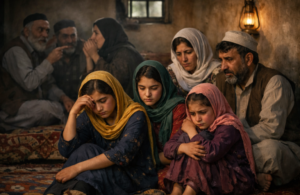
Asma, a 33-year-old resident of Kabul, says that although she covers most of the household expenses, she still faces physical violence—violence that has caused both psychological and physical harm. She says, “I cover about 90% of the household expenses and all the needs of my daughters. Yet I have been repeatedly beaten by my husband—slapped, punched, and kicked. The violence was so severe that my last vertebra was injured, and now I cannot sit or stand properly. My husband beats me and asks why I do not put money in his pocket. This is extremely humiliating and painful because, even with financial independence, I still face violence.”
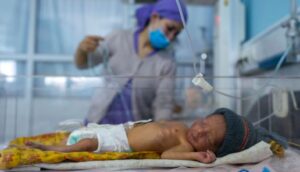
Mother-fetus blood incompatibility; infant deaths and lack of family awareness

Saniya, one of these women, said sadly,
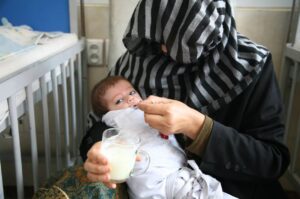
“My first child looked healthy, but after a while, he died. Later, I found out that the reason was the incompatibility between my blood and my child’s blood. In later pregnancies, I had to stop breastfeeding and feed the baby with formula so that the baby’s condition would improve.”

Tafriq; women’s legal and religious right, but fraught with challenges in practice

Ziba Zuhal, a legal expert, says in this regard, “According to the Civil Code of Afghanistan, women can claim Tafriq (judicial separation) in the following cases: non-payment of alimony, causing harm, the husband’s infertility, and absence for more than three years. Under the Civil Code of Afghanistan and Islamic Sharia, the authority to pronounce divorce belongs to the man.”

Child marriage in Afghanistan

Aziza, a 17-year-old resident of Maimana city, the center of Faryab province, was forced to marry at the age of 14 because her younger brother suffered a birth-related neck injury and the family was unable to afford his treatment. Aziza’s marriage was seen as the only option to improve the family’s situation.

From nepotism to skill gaps; obstacles keeping youth unemployed

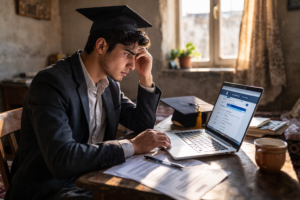
Rahmatullah, a 27-year-old from Kabul, says: “I have seen many educated and capable people doing hard labor because they could not find suitable jobs. There is widespread discrimination. Unqualified individuals are hired for positions they are not qualified for. I have personally experienced this favoritism.”

Unable to breastfeed; a lasting emotional wound for mothers

She said, “My daughter is three months old. I am struggling to raise her on formula and fresh milk. I have become mentally disturbed. I feel angry most of the time, and it has become very difficult for me to care for my daughter. I keep telling myself that I will not have another child. Raising a baby without breast milk is very hard—especially when she cries.”

Polygamy without justice; economic hardship faced by women and children

“He neither covers our expenses nor pays alimony. I live alone with my four children and have to borrow money just to buy food. When I turn to my brothers and ask what I should do, they tell me, ‘You are no longer our responsibility.’ But what can I do? I am a woman on my own,” she says.