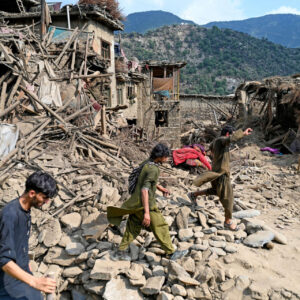
ICRC: more than 24,000 earthquake-affected people treated in Afghanistan
The Afghanistan office of the International Committee of the Red Cross (ICRC) says it has treated more than 24,000 people affected by earthquakes across the country.

The Afghanistan office of the International Committee of the Red Cross (ICRC) says it has treated more than 24,000 people affected by earthquakes across the country.
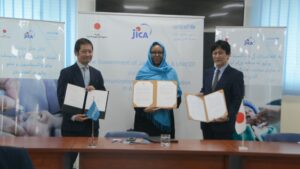
Masamoto Kenichi said, “My country has allocated over 6.26 million dollars from the Japan International Cooperation Agency (JICA) for this campaign, which will be implemented by UNICEF starting this month. The goal is to ensure that every child in Afghanistan can access oral polio vaccines without interruption, both through routine programs and national campaigns.”
WHO announced in a statement on Wednesday, February 4, on their X account that even small actions to prevent cancer can save lives.
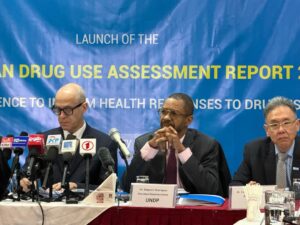
UNODC’s report recently shows that drug use in Afghanistan is still mainly influenced by traditional substances; however, the consumption of synthetic drugs and the misuse of medical medicines are on the rise.
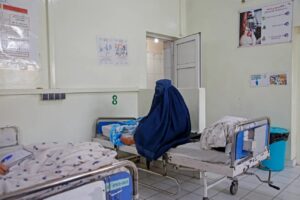
She said: “I don’t understand anything about cervical cancer. If I have pain or infection in my genital area, I feel ashamed and usually don’t tell anyone. In our province, there aren’t many female specialist doctors, and even at the health center, examinations are basic.”
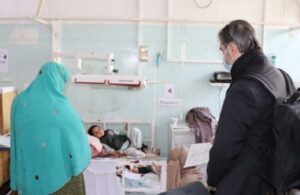
In Afghanistan, where access to quality healthcare is scarce, many patients endure the consequences of misdiagnoses, leading to delayed treatments and further deterioration of their
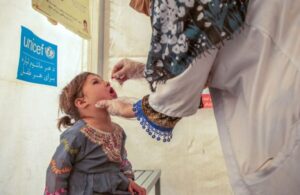
In 2024 year, the United Nations Children’s Fund (UNICEF) in Afghanistan vaccinated 11.6 million children under the age of five against polio.
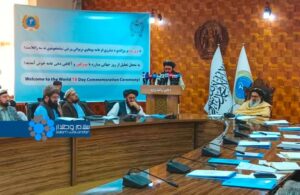
Officials from the Ministry of Public Health stated on Monday that approximately 75,000 people contract tuberculosis (TB) annually in Afghanistan, and of these, 10,000 lose their lives to the disease.
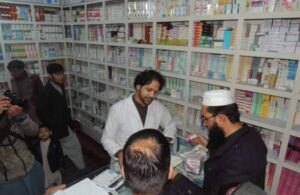
POL-E-ALAM (SW) – Residents of Logar province, Afghanistan, have raised concerns over the presence of “unqualified” individuals working in pharmacies, putting the health and safety

Salam Watandar has conducted interviews with 30 young individuals in Afghanistan suffering from mental health issues to examine their access to related services.

Girls in Afghanistan’s Ghazni province are suffering from anemia, saying that the consequences of the condition are presenting them with serious challenges. They add that ensuring a steady supply of anemia medication is difficult for them.

Self-medication has been on the rise in Taloqan, the capital of Takhar province, as well as in its remote districts.