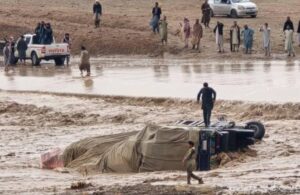
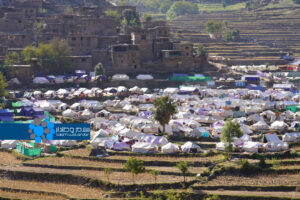
Climate change accelerates soil erosion in Ghazni
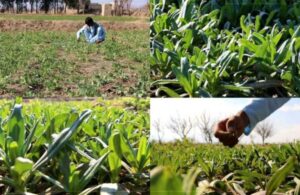
Agricultural experts in Ghazni say that due to climate changes, soil erosion in this province has accelerated.

Agricultural experts in Ghazni say that due to climate changes, soil erosion in this province has accelerated.

KABUL (SW) – A group of young volunteers, working through a local organization, are actively engaged in environmental awareness initiatives aimed at reducing pollution. Through

The United Nations Children’s Fund (UNICEF) in Afghanistan has urged for increased investment in education that is both safe and resilient to the growing effects of climate change.

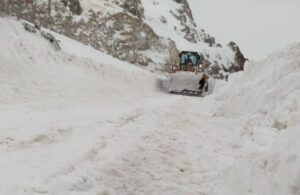
Officials at the Ministry of Public Works under the Islamic Emirate reports that due to heavy snowfall and storms, the Salang Highway and several routes leading to the provinces of Ghazni, Maidan Wardak, Bamyan, Ghor, Daikundi, and Faryab have been closed to both cargo and passenger vehicles.

According to data from NEPA, 181 kilometers of glaciers in Afghanistan have melted in recent years due to climate change, 149 species of animals and plants are at risk of extinction, and 2.5 million people have been displaced.

Farmers in Helmand province, located in southern Afghanistan, have expressed that following the Islamic Emirate’s ban on opium poppy cultivation, they have turned to horticulture, particularly the establishment of date palm orchards.

Officials at Kabul Municipality say that the city administration alone cannot combat the growing air pollution in the capital without the active role of the residents.

Nearly 1,000 incarcerated men and women have joined the frontlines in a battle against record-breaking wildfires burning across southern California.

Some residents of Kabul, expressing their happiness over the first snowfall of the year, say the precipitation will help reduce drought and air pollution.

Officials at the Indira Gandhi Children’s Hospital in Kabul have report a rise in air pollution-related diseases among children in recent months. Asadullah Abdul Rahimzai,

MONITORING (SW) – Balcony solar panels can save 30% on a typical household’s electricity bill and, with vertical surface area in cities larger than roof space, the appeal is clear, noted a latest report.

As the residents of Ghazni experience the coldest days of the year, the shortage of firewood in the market and its high prices have forced many locals to cut down fruit trees to heat their homes.