Category: Environment

Salam Watandar’s survey on people affected by the Kunar earthquake

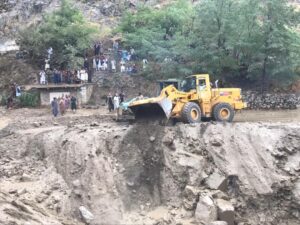
On Sunday night, 31 August 2025, a powerful earthquake struck eastern Afghanistan, especially Kunar Province. The tremors were also felt in nearby provinces. According to reputable global seismic centers, the earthquake registered 6.0 on the Richter scale, which is relatively rare in Afghanistan’s history of natural disasters. Most districts of Kunar were affected, with the strongest shaking felt in Nurgal, Sawkai, Khas Kunar, and some other districts. This earthquake has been recorded as one of the deadliest in Afghanistan in recent years. As a result, around 2,200 people lost their lives, more than 4,000 were injured, and over 8,000 homes were destroyed.

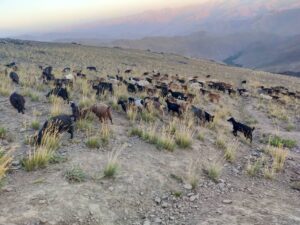
Afghanistan drought survey: Impacts on farmers’ livelihoods and food security

Provinces like Badghis, Logar, and Kunduz are in an extreme crisis; Faryab and Maidan Wardak are severely affected, while Badakhshan is among the less affected provinces. Geographically, central provinces face high migration and land dryness, Northern provinces experience reduced production, and eastern provinces show limited coping responses.

Salam Watandar’s survey on Kabul residents’ access to drinking water

This survey, conducted with the direct participation of 1,800 families and indirectly covering nearly 15,000 residents across 20 districts of Kabul, reflects the state of groundwater and people’s access to water in the city. The findings paint a worrying picture of the water crisis facing the Afghan capital.

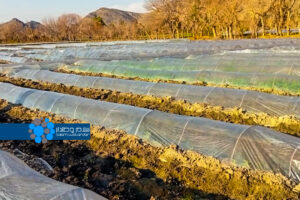
Green tea farming in Khost: A new venture for economic growth

A young farmer from the Tani district, Rahmat Wali, has embarked on an innovative venture by introducing green tea plants from India and cultivating them in the district for the first time. This marks a new chapter for Khost’s agricultural landscape, as Rahmat Wali seeks to diversify crops and contribute to the region’s economic growth.

Agreement signed to combat energy waste

The Afghanistan National Standards Authority (ANSA) under the Islamic Emirate has signed a memorandum of understanding with the consulting organization “Lima”, aimed to prevent energy

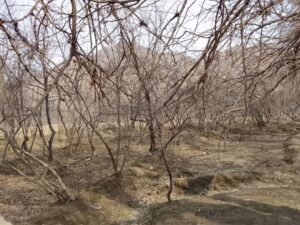
Farmers yet to receive the promised support for alternative crops

Across several provinces of Afghanistan, farmers who once relied on opium cultivation but have since abandoned the practice are voicing their concerns. Despite their efforts to shift away from illegal crops, many have yet to receive the promised support for alternative farming options from either the de-facto government or aid organizations.