Category: ALL TOPICS

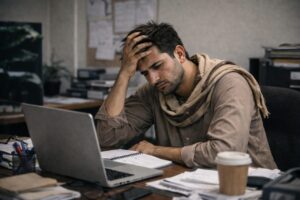
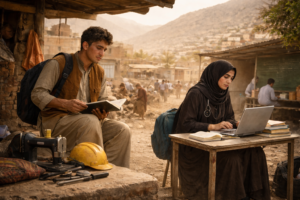
Struggle between bread and pen; youth’s efforts to balance work and education

“A student is psychologically placed in two arenas: one is the field of work and the other is the field of education. Certainly, prioritizing between the two can be difficult. Afghan society is a poor society, and the priorities of young people are more economy-centered. Therefore, over time the field of education may become colder and emptier, and the studies of working youth may decline in quality and be damaged,” he says.

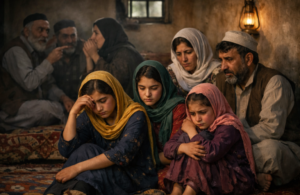
‘My last vertebra was damaged’; stories of 15 women who faced physical violence

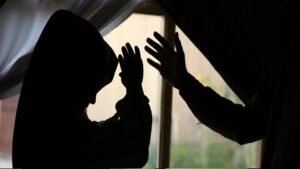
Asma, a 33-year-old resident of Kabul, says that although she covers most of the household expenses, she still faces physical violence—violence that has caused both psychological and physical harm. She says, “I cover about 90% of the household expenses and all the needs of my daughters. Yet I have been repeatedly beaten by my husband—slapped, punched, and kicked. The violence was so severe that my last vertebra was damaged, and now I cannot sit or stand properly. My husband beats me and asks why I do not put money in his pocket. This is extremely humiliating and painful because, even with financial independence, I still face violence.”

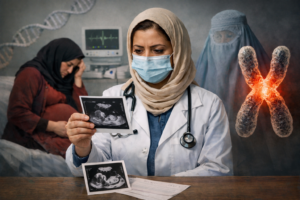
Mother-fetus blood incompatibility; infant deaths and lack of family awareness

Saniya, one of these women, said sadly,
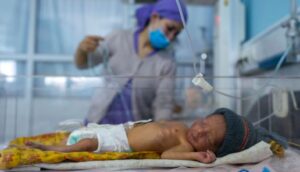
“My first child looked healthy, but after a while, he died. Later, I found out that the reason was the incompatibility between my blood and my child’s blood. In later pregnancies, I had to stop breastfeeding and feed the baby with formula so that the baby’s condition would improve.”

Tafriq; women’s legal and religious right, but fraught with challenges in practice

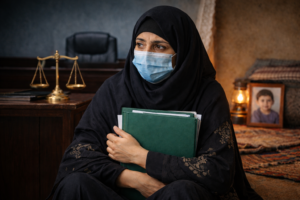
Ziba Zuhal, a legal expert, says in this regard, “According to the Civil Code of Afghanistan, women can claim Tafriq (judicial separation) in the following cases: non-payment of alimony, causing harm, the husband’s infertility, and absence for more than three years. Under the Civil Code of Afghanistan and Islamic Sharia, the authority to pronounce divorce belongs to the man.”

Off-season farming in Laghman; a source of income and market stability

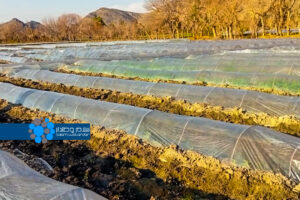
Laghman, one of the provinces that has achieved self-sufficiency in vegetable production, not only meets domestic demand but also exports its products to other provinces, including Kabul. Although vegetable production in the country decreases during winter, many farmers in this province use plastic-covered cultivation to bring vegetables to the market ahead of the season, which significantly helps stabilize prices.

Fasting during pregnancy and breastfeeding; a threat to mother and child health

Yasamin, 39 years old and in her eighth month of pregnancy, shares her experience of fasting without consulting a doctor. She says, “I am in the eighth month of my pregnancy and I am fasting. I haven’t visited a doctor so far, but I continue to fast regularly. During the day, I feel extremely hungry and thirsty—my tongue sticks to the roof of my mouth. Since I started fasting, I have noticed that the movements of my baby in the womb have decreased and are not as before.”

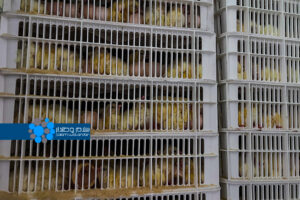
Efforts for self-sufficiency in chicken meat production in Balkh

Shafiqullah, a chicken seller in Mazar-i-Sharif, said, “The newly established farms, along with those built in the past, have a great impact on chicken meat prices. If we relied on Pakistan, one kilogram would cost over 300 Afghanis; now, the price in the city is 220 Afghanis.”

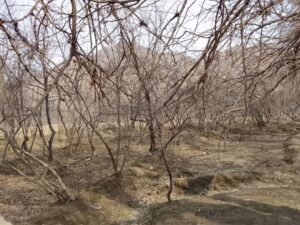
Tagab pomegranate growers hope for a fruitful season after snowfall

“Snow and rain help get rid of pests and microbes on the trees for up to five years. They also prevent diseases like blight, which otherwise require spraying. In the past, when snowfall was enough, these problems didn’t happen. God willing, this year’s snow will have the same effect. Pomegranate trees also tend to give better yields after snowfall.” he explained.