Women’s right to work; Allowed by religion, prevented by families
Although scholars of ‘Fiqh’ and Sharia say that, according to Hanafi jurisprudence, a sane and mature woman has full legal capacity and may work outside

Although scholars of ‘Fiqh’ and Sharia say that, according to Hanafi jurisprudence, a sane and mature woman has full legal capacity and may work outside
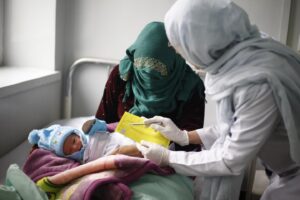
“My anemia became very severe; I had no strength to move. I received blood once or twice. It is because of poverty that I cannot go to the doctor. There were even days when we could not find bread to eat, and I spent the day drinking only water,” she said.
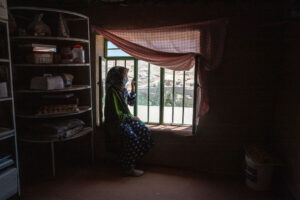
She says, “I truly lost hope at first and fell into depression. Despite all these challenges and restrictions, I did not want to give up on my goal. I want to become a doctor, and I am confident that one day I will achieve my dream.”
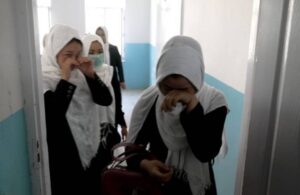
On February 11, the International Day of Women and Girls in Science, UNAMA called for the ban on girls’ education beyond sixth grade to be lifted.
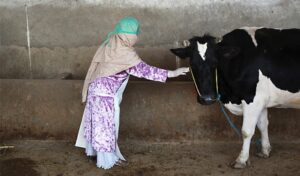
She added, “A bucket of yogurt sells for about 200 Afghanis. This work not only solves many of our economic problems partially, but it also allows us to play an active and meaningful role in our families’ economy alongside our husbands.”
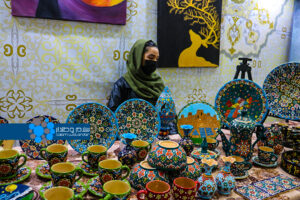
Asiya Kakar, another employee, explains, “The situation in Afghanistan is difficult. Women had nowhere to go, and the only door that remained open to us was the door of art. Economically, it really helps.”
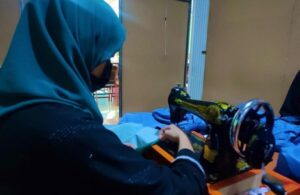
She says, “I want to stand on my own feet,” and she explains. “I cover most of my family’s expenses and take responsibility for our household.”
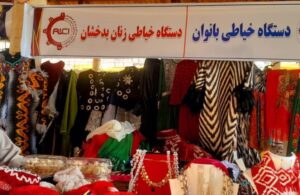
“I work in confectionery and have brought halva, walnut, gulab jamun, and honey,” and she added, “This exhibition is very useful because it allows us to offer everything we produce at home. When people buy our products, it motivates us to continue our work and increase production.”
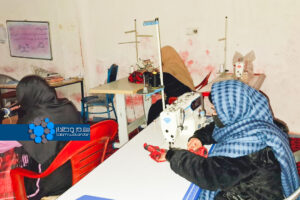
Reflecting on the early days, she said, “At first, I had only one machine, and it was very difficult to carry my work forward. The only thing that kept me going was my desire to teach tailoring to other girls.”
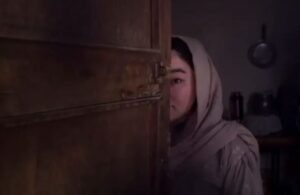
Fatima, a resident of Badakhshan, told Salam Watandar: “I personally prefer things to be in my own name, but my family says that in some situations it is better to use a surname or the name of a male family member so that people talk less. People think that mentioning a woman’s name in public leads to suspicion or gossip, so that’s why they avoid it.”
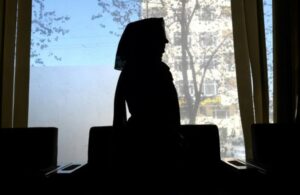
Zahra, 24-years-old and resident of Kabul, says: “The same things happened almost every week. I went to work feeling discouraged, my focus was low, and I felt invisible. I was constantly judged, and my motivation to grow decreased. It eventually made me quit.”
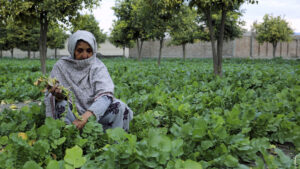
Fatima, one of these women, grows vegetables both for her family and for the local market. She said, “I have a home garden where I grow tomatoes, potatoes, peppers, coriander, and mint. I sell them in the market and support a family of eight with this income.”