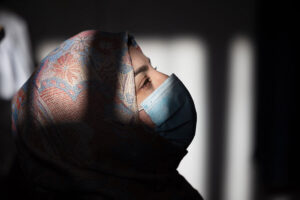
Kabul hosts four-day painting exhibition by female artists
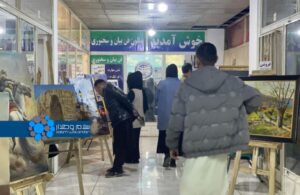
KABUL (SW) – Over the past four days, Kabul hosted an exhibition featuring paintings by young women and girls, aimed at supporting their work and boosting their motivation.

KABUL (SW) – Over the past four days, Kabul hosted an exhibition featuring paintings by young women and girls, aimed at supporting their work and boosting their motivation.

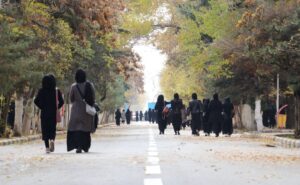
The academic year has ended, but the sixth-grade girls, with lumps in their throats and despair in their eyes, stare at their schools and textbooks as if they know they will no longer have the opportunity to write or learn.

Although Afghanistan was one of the first countries to sign the Universal Declaration of Human Rights by the United Nations, it remains at crossroads as far as its implementation is concerned.

In Afghanistan, where social and legal challenges frequently hinder the progress of young people, three disabled girls have shown extraordinary resilience and determination.

Families explain that, to make up for their daughters’ inability to attend regular schools, they have enrolled them in religious schools, online education programs, home-based classes, and even sent them abroad to continue their studies.

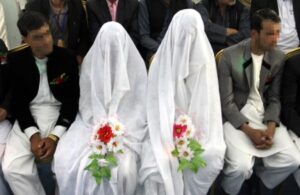
Some women who are victims of domestic violence, including forced and underage marriages, restrictions on individual decision-making, physical abuse, or verbal violence, say that they have no choice but to endure the situation.

Many girls and women globally, including in Afghanistan, have been struggling with domestic and social violence for decades as the world marked International Day for the Elimination of Violence Against Women.

Mounting restrictions and economic hardships have made it increasingly difficult for the female media workers and journalists in Faryab to continue with their profession.

This report includes interviews with 25 girls and women who have been deprived of education and work, and all of them narrate how their positions in the family and society have been undermined.

Amid the difficulties that women face in living in Afghanistan, the requirement of having a male guardian when leaving home poses significant challenges for women whose husbands are in migration.

Salam Watandar interviewed 22 women whose husbands fail to adequately provide and care for the family. These women said that they face significant challenges in meeting basic life needs, with many suffering from the violent behaviors of their spouses.

In a series of conversations with 18 girls who have migrated independently, Salam Watandar found that these girls have encountered psychological, physical, and social challenges along their migration journey.