42 Afghan nationals freed from Pakistani prison, return home
The Ministry of Repatriations and Refugees (MoRR) under the Islamic Emirate has announced that 42 Afghan citizens have been released from the “Haji Camp” prison in Pakistan.

The Ministry of Repatriations and Refugees (MoRR) under the Islamic Emirate has announced that 42 Afghan citizens have been released from the “Haji Camp” prison in Pakistan.

The government of Pakistan has devised a plan to move registered Afghan refugees out of Islamabad and Rawalpindi and gradually repatriate them back to their country, sources with knowledge of the plan told Pakistani Dawn newspaper.

Lately, Afghan migrants in Pakistan have faced an alarming increase in police crackdowns and arrests. Many have expressed growing fears for their safety, with some

Afghan migrants in Pakistan continue to endure daily arrests and the constant threat of deportation.

New Zealand will introduce looser visa rules to allow holiday makers to work remotely while visiting the country, to boost its tourism sector and economy, it said on Monday.
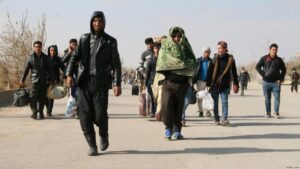
KABUL/TEHRAN (SW) – A number of Afghan migrants in Iran, expressing concern about their situation, ask the country to stop the forced deportations of migrants.
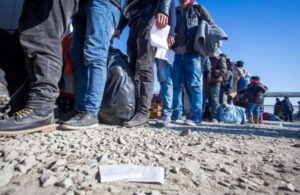
Migration has always been driven by the hope for a better future, however, for many Afghan citizens who have been forced to leave their country for various reasons, this journey has turned into an endless nightmare.
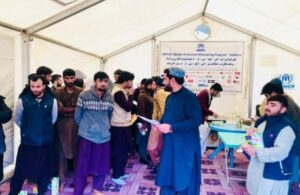
The Ministry of Repatriations and Refugees (MoRR) under the Islamic Emirate has announced the release of at least 38 Afghan citizens imprisoned in Pakistan.
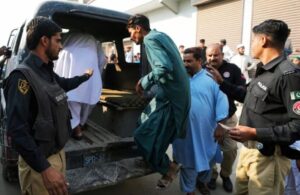
The Afghan Embassy in Islamabad, Pakistan’s capital, has announced that the country’s police have arrested nearly 800 Afghan migrants. In a statement released on Sunday,
Amid the intensification of restrictions on Afghan migrants in Iran, officials report that in the past nine months, Iran has expelled over 890,000 Afghans, with some choosing to return voluntarily.
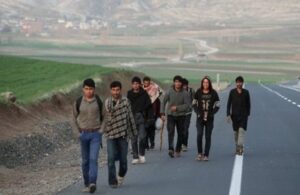
Migration has been a continuous process from the early stages of human societies to the present day, taking on various forms throughout history. This phenomenon has been a key driver of demographic changes and can lead to significant transformations in individuals and societies.

United Nations Secretary-General António Guterres emphasized the need for safe and inclusive migration systems to uphold the human rights of migrants worldwide, in light of the challenges they face, including discrimination, violence, abuse, and trafficking.