Category: ECONOMY

Spread of “Mastitis” disease worries livestock farmers in Ghazni

Ghazni is one of the provinces where most residents are engaged in agriculture and livestock farming, and their livelihoods largely depend on these activities. The spread of animal diseases and their transmission among livestock in this province sometimes create serious challenges for farmers—challenges that, if not addressed in time, can lead to significant and irreversible economic losses.
Struggle between bread and pen; youth’s efforts to balance work and education

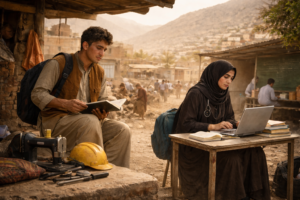
“A student is psychologically placed in two arenas: one is the field of work and the other is the field of education. Certainly, prioritizing between the two can be difficult. Afghan society is a poor society, and the priorities of young people are more economy-centered. Therefore, over time the field of education may become colder and emptier, and the studies of working youth may decline in quality and be damaged,” he says.

Women achieving self-reliance through mushroom farming

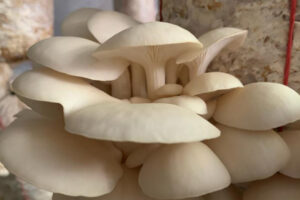
An initiative by a woman in Kabul to establish a mushroom farm has not only led to her own financial independence but has also created employment and income opportunities for dozens of other women. Fazela Sorosh began mushroom farming in Kabul two years ago with a small investment, driven purely by personal interest. She says this initiative has now become a stable source of income for herself and many other women.

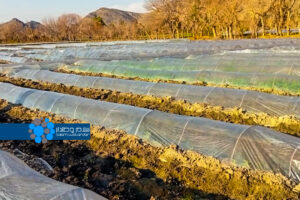
Off-season farming in Laghman; a source of income and market stability

Laghman, one of the provinces that has achieved self-sufficiency in vegetable production, not only meets domestic demand but also exports its products to other provinces, including Kabul. Although vegetable production in the country decreases during winter, many farmers in this province use plastic-covered cultivation to bring vegetables to the market ahead of the season, which significantly helps stabilize prices.

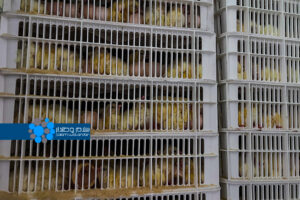
Efforts for self-sufficiency in chicken meat production in Balkh

Shafiqullah, a chicken seller in Mazar-i-Sharif, said, “The newly established farms, along with those built in the past, have a great impact on chicken meat prices. If we relied on Pakistan, one kilogram would cost over 300 Afghanis; now, the price in the city is 220 Afghanis.”

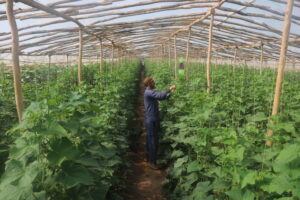
Greenhousing in Herat; struggling with loans and storms

“This year in Shaidaei, the winds were very strong, and a storm destroyed our greenhouses. I didn’t have the money to rebuild, so I had to sell them. I ran a greenhouse for six years, and now I’m unemployed. I sell wood to pay for household expenses; I can’t build a new greenhouse,” he says.

From nepotism to skill gaps; obstacles keeping youth unemployed

Rahmatullah, a 27-year-old from Kabul, says: “I have seen many educated and capable people doing hard labor because they could not find suitable jobs. There is widespread discrimination. Unqualified individuals are hired for positions they are not qualified for. I have personally experienced this favoritism.”

AI puts women’s jobs at risk-UK

A report by the City of London Corporation, published by The Guardian, warns that women in tech and financial services are at higher risk of losing their jobs to AI and automation than men.

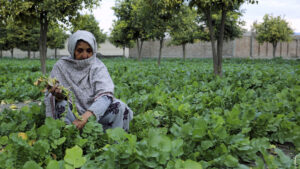
Women in Parwan build family incomes through farming

Fatima, one of these women, grows vegetables both for her family and for the local market. She said, “I have a home garden where I grow tomatoes, potatoes, peppers, coriander, and mint. I sell them in the market and support a family of eight with this income.”

Breaking barriers: Afghan women earn through self-taught skills

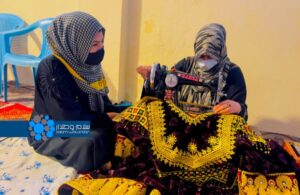
Nazifa Fateh, a 21-year-old resident of Faryab, said, “After the girls’ schools were closed, I lost the chance to continue my education. I felt I should not spend my time aimlessly, so I decided to learn a profession to stay occupied and be useful to myself and my family. With the few basic tools I had at home, I began learning sewing on my own.”

Women turn medicinal herbs into financial freedom

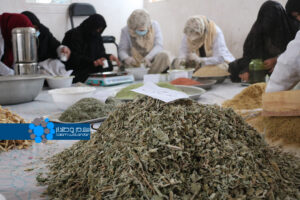
Shaimagul Samadi shares a similar story. She says: “Before, I knew a little about herbs, but I didn’t know how to use them—what they are good for, what benefits they have, or how they work. Since I came here, I’ve learned how to use them properly.”